A Zoom Introduction to the Just History Project and Database
In 2025, Bill Grabin presented in-person programs at the Brick Store Museum and other locations to introduce people to the Just History website, and to demonstrate how to navigate it. […]

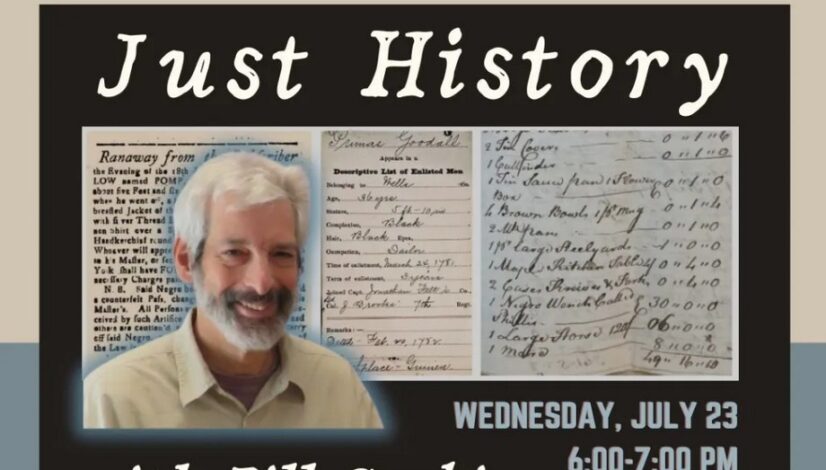
In 2025, Bill Grabin presented in-person programs at the Brick Store Museum and other locations to introduce people to the Just History website, and to demonstrate how to navigate it. […]
We have included in the database as much information about Indigenous individuals as we’ve been able to locate, including entries for Ramanascho, Sasagohaway. and Wane Doney, along with those with […]
In 1780, when the Massachusetts Constitution went into effect, slavery was legal in the Commonwealth of Massachusetts, of which Maine was a part until 1820. During the years 1781 to […]
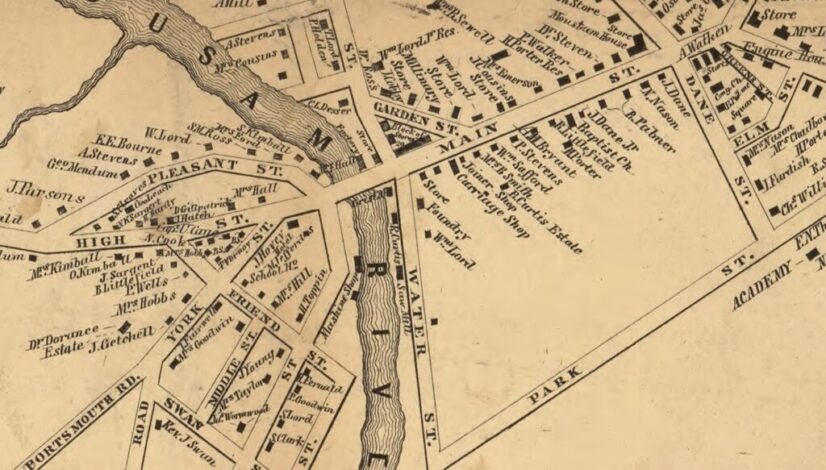
The two most complete sets of historic maps of the area are from 1856 and 1872, when maps were created for all York County towns. The 1856 set, Map of […]
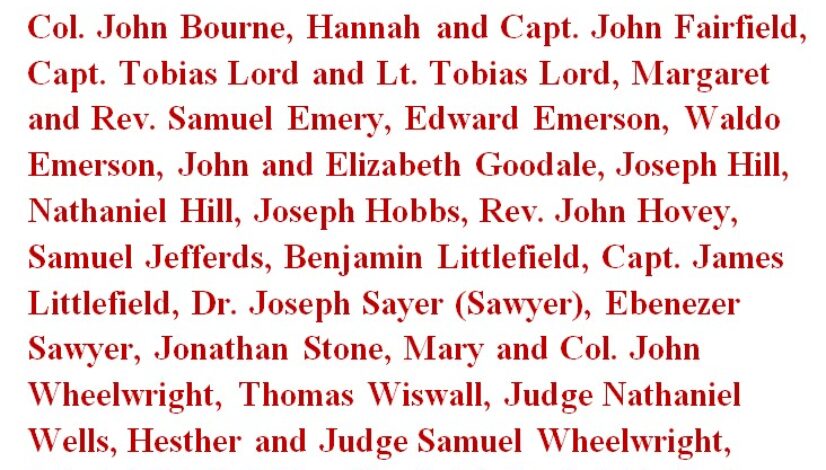
– That People of Color were enslaved by many of the area’s most prominent citizens? They included Col. John Bourne, Hannah and Capt. John Fairfield, Capt. Tobias Lord and Lt. […]
Here are some examples of how slavery was not uncommon amongst the prominent businessmen of early Wells (which included Kennebunk until 1820). “In 1728, a grant was made, by the […]
On March 20, 1830, the following statement came forth from the White House: “Whereas it has been represented to me that the American Brig Volant … belonging to Adam Stone […]
Thomas Wells (1672-1737) and John Wells (1670-1748) were brothers, and the sons of John Wells. They were prominent citizens of the town of Wells. They both enslaved “servants” and passed […]
Sheppard Bourn was the son of Salem and Peggy. His father Salem (DOB 1755) had been enslaved by John Bourne (1708-1788), the “ancestor of all the Bourne families in Wells […]
The First Enslaved Person in “Arundel” was paid for by the Town. “In August 1729, the town by their vote dismissed Mr. Eveleth from his relation to them as a […]